HYBRID ORBITAL ENGINE INGITED IN-SPACE FOR THE FIRST TIME IN THE WORLD
Dec. 7, 2025, 8:19 p.m.

FERGANI’S HISTORIC STEP!
Türkiye’s first-ever orbital transfer vehicle, FGN-TUG-S01, indigenously developed by Fergani Space, has successfully completed its most critical maneuver in space. The indigenous OTV ignited its hybrid engine in space, performing an orbit transition to mark a first in the world.
ISTANBUL
6 DECEMBER 2025
Founded by Baykar Chairman and CTO Selçuk Bayraktar, Fergani Space Technologies made space aviation history with its first-ever orbital transfer vehicle (OTV), FGN-TUG-S01, which the company has developed with its own resources and indigenously. The indigenous OTV, which was launched aboard the SpaceX Falcon 9 Transporter-15 mission on 28 November 2025 from the Vandenberg Space Force Base in California, United States, has successfully performed its historic ignition operation after completing its in-orbit preparations.
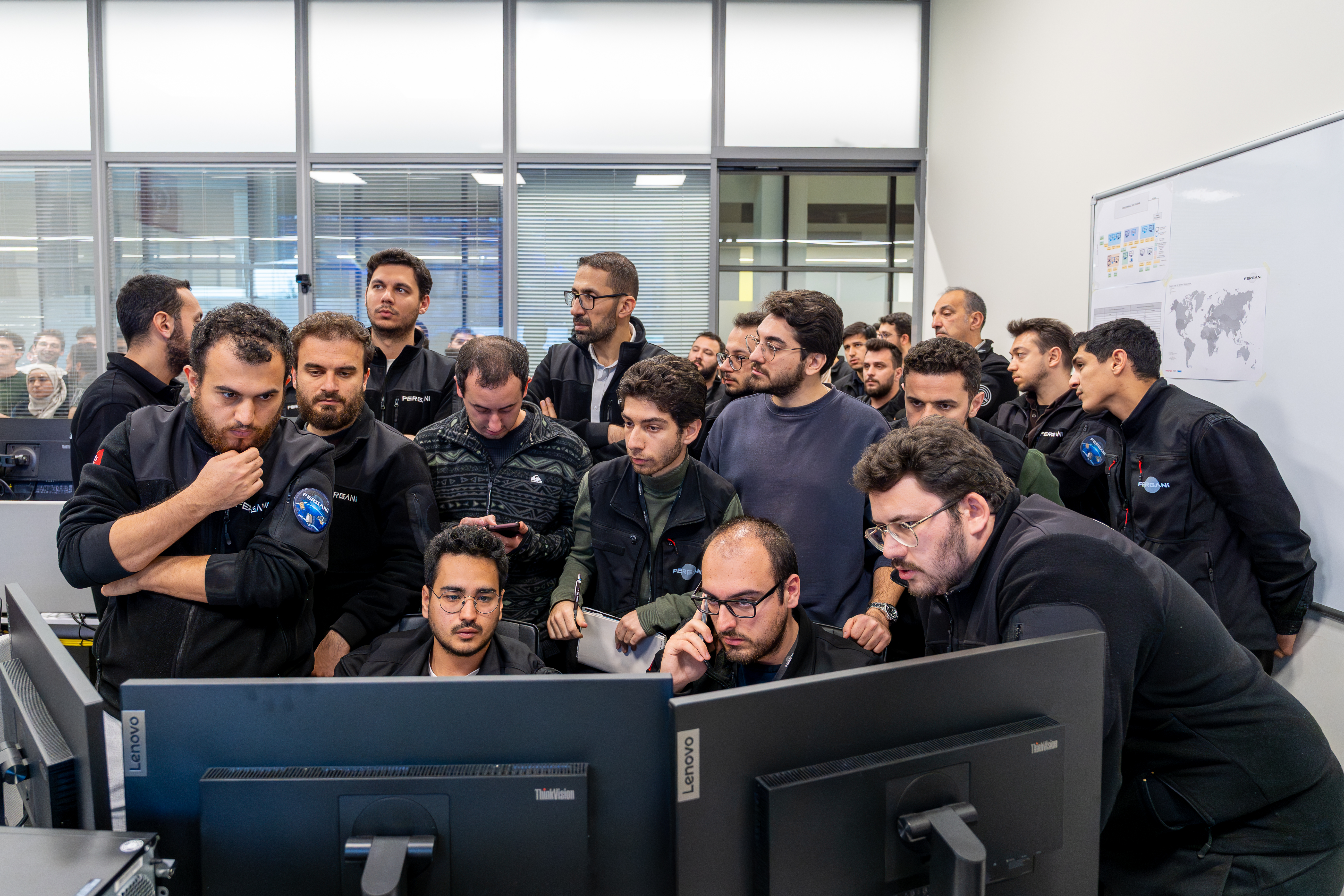
A WORLD FIRST: HYBRID ENGINE OPERATION SUCCESSFUL
At 07:46 Turkish time on 6 December 2025, FGN-TUG-S01 activated its main hybrid propulsion system. The ignition operation, which lasted 35 seconds, was performed flawlessly. With this maneuver, the indigenous OTV departed its original circular orbit at 530 kilometers and transitioned to an elliptical orbit with a peak altitude of 720 kilometers. This operation represented not only the first in-space ignition performed by Türkiye’s indigenously developed hybrid engine technology, but also the first orbital ignition of a hybrid rocket engine worldwide. Hybrid rockets, which are safer, simpler, and more cost-effective than solid- and liquid-fuel engines, are expected to play a critical role in future space operations.
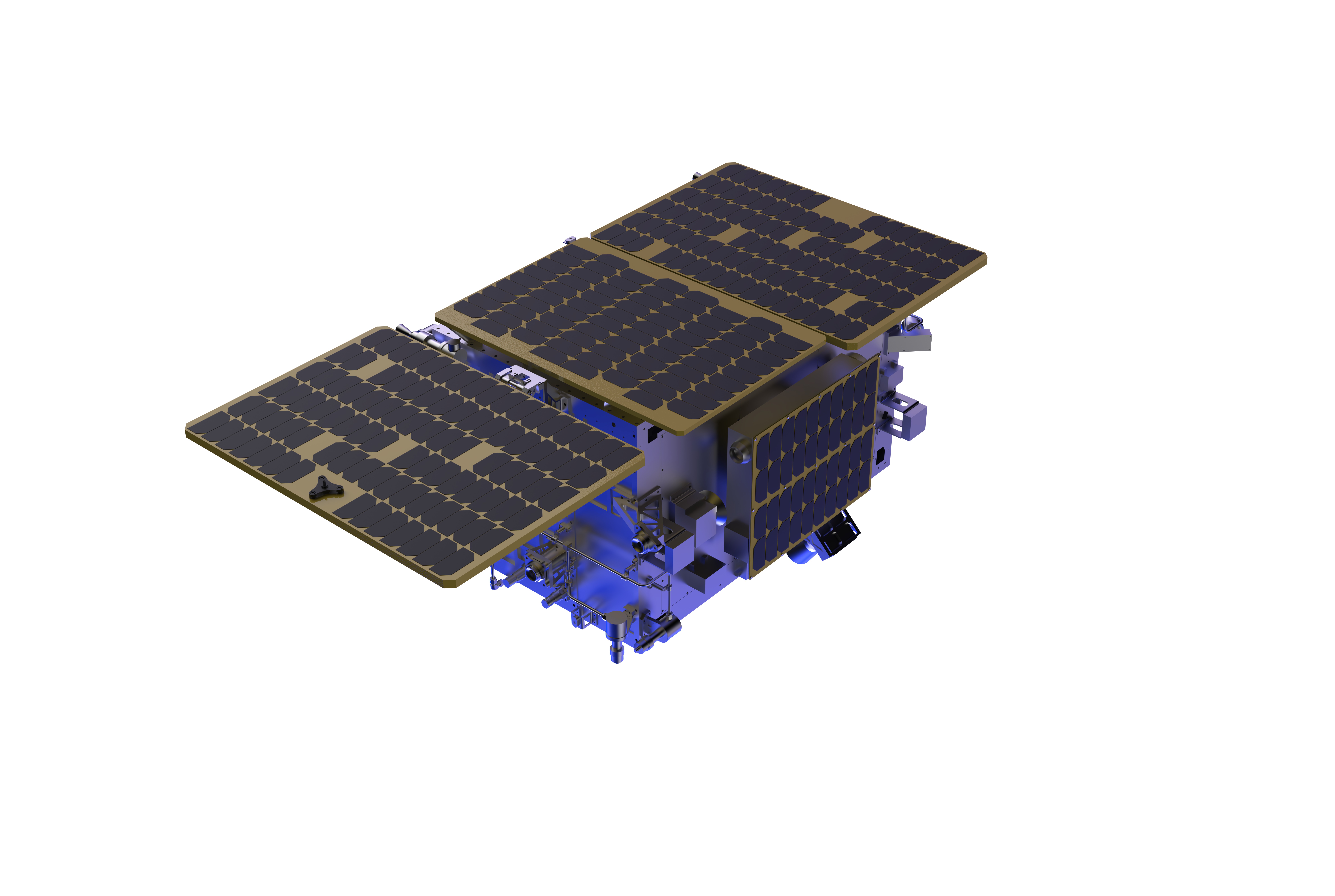
FIRST SATELLITE DELIVERY COMPLETED
Following the successful completion of the orbital transfer maneuver, the second critical phase of the mission – the separation of a CubeSat – commenced at 11:35. At 11:45, Fergani’s CubeSat, FRG-10D1, successfully separated from the orbit transfer vehicle, taking its place in its target orbit.
INDIGENOUS MARK ON INTER-ORBITAL LOGISTICS
This achievement marks a critical milestone for Fergani Space’s future satellite constellation missions at different altitudes. FGN-TUG-S01, including its flight computer, avionics systems, power distribution units, and thermal control infrastructure, was developed entirely in-house by Fergani Space engineers as a domestic design and production effort. In doing so, Türkiye became the first country to test a hybrid engine in orbit, opening the door to a new era in space technologies.
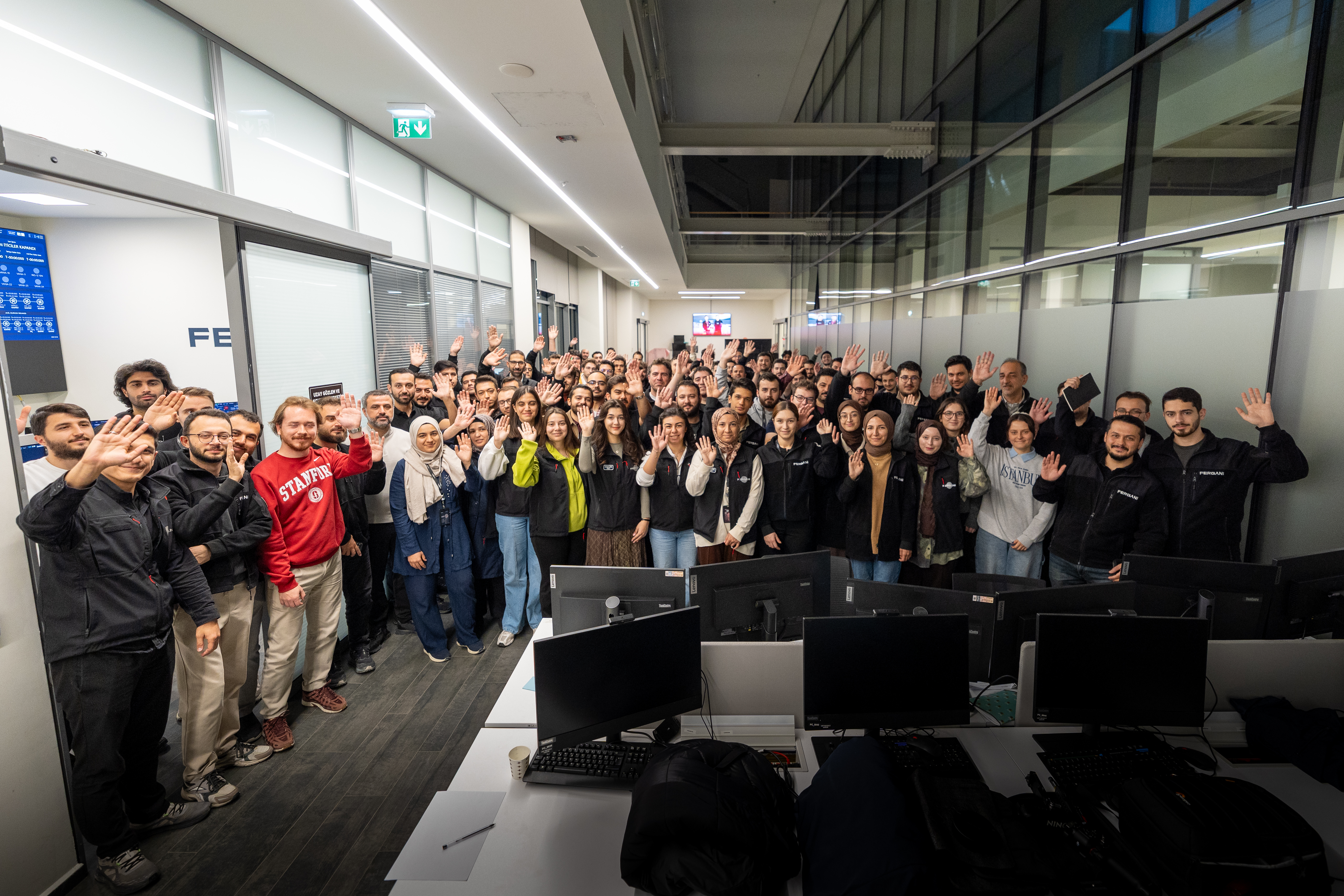
THE GOAL: ULUĞ BEY GLOBAL POSITIONING SYSTEM
The successful completion of this mission lays a critical foundation for the Uluğ Bey Global Positioning System that Fergani Space aims to build. With this technology, the company will be able to deploy satellite constellations into different orbits using its own vehicles. Over the next five years, Fergani Space plans to launch more than 100 satellites to help Türkiye and its friendly and sister nations attain independent positioning and space logistics capabilities. Furthermore, with its launch systems currently under development, the company aims to achieve independent access to space in the near future.